Biodiversity & Water
Our manufacturing activities sit within a wider natural landscape. At Radstock, this includes the land surrounding our facility and the local watercourse, making the responsible management of habitats, water and pollution risk an important part of our environmental approach.
Supporting biodiversity at Radstock
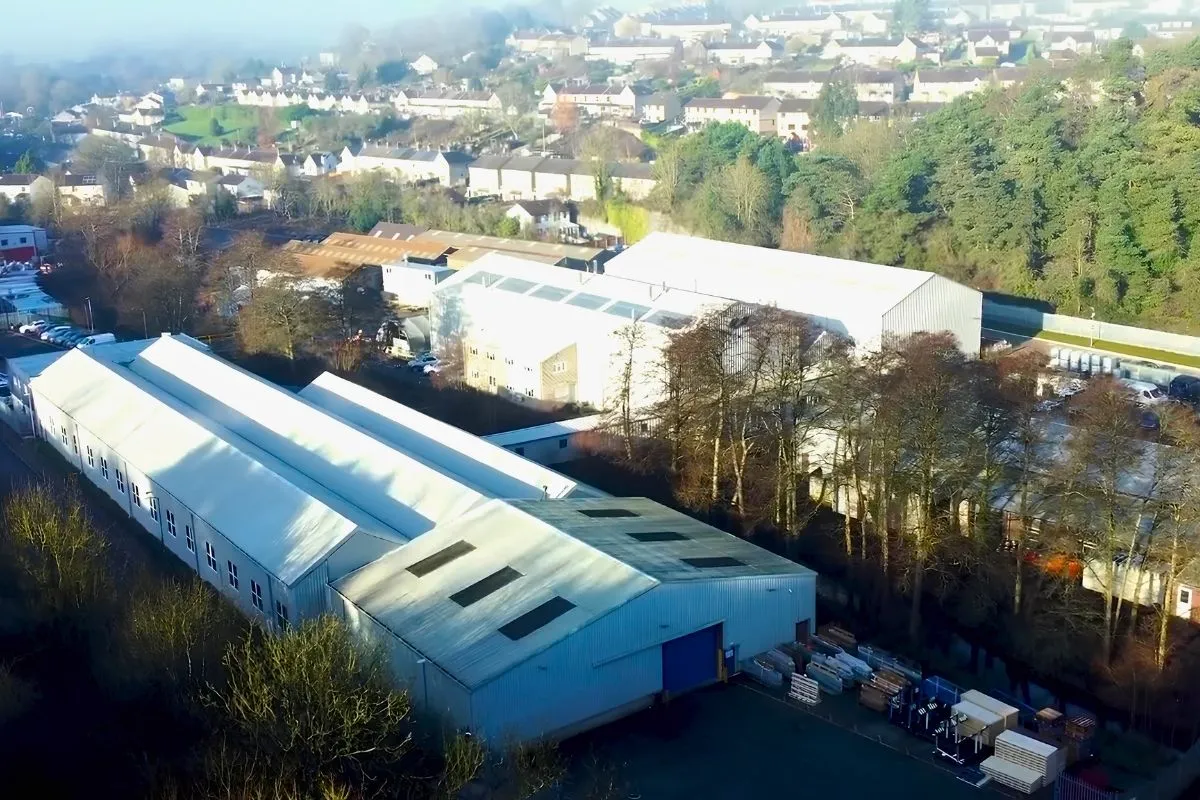
A designated half-acre conservation zone has been established alongside our manufacturing facility to protect and restore the natural environment. The area provides habitat for a range of plant and wildlife species, creating a more considered relationship between the operational site and its surroundings.
Our aim is to support the development of a healthy, resilient ecosystem while improving our understanding of how manufacturing activity can affect biodiversity on land and within the neighboring watercourse.
Our responsibility extends beyond the boundaries of the factory. By protecting habitats and managing water carefully, we can reduce our impact while creating space for nature alongside our operations.

Managing water responsibly
Water use and discharge at Radstock are managed through Optima’s ISO 14001-certified Environmental Management System. This provides a structured framework for identifying environmental risks, maintaining controls and reviewing opportunities for improvement.
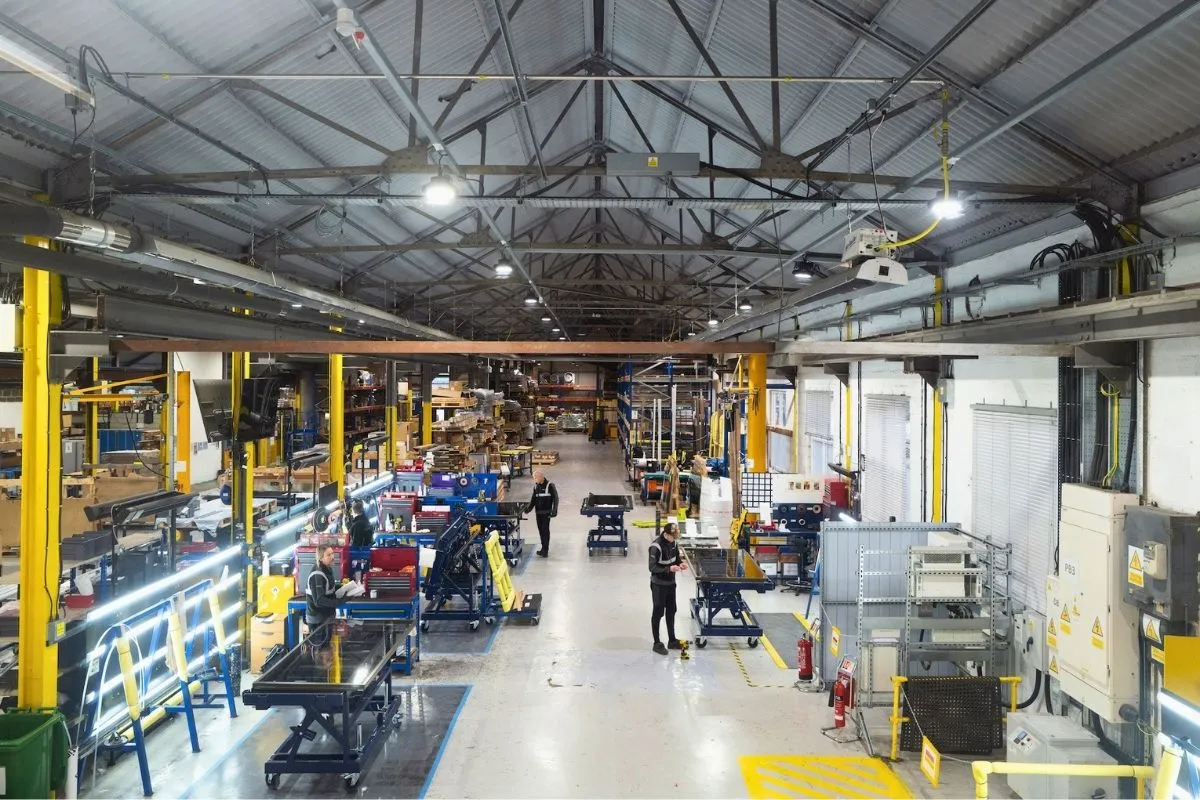
Energy and water sub-metering have been installed to improve visibility of consumption across the site. Rainwater harvesting also allows collected water to be used within manufacturing processes, reducing demand on mains water where the system applies.
Protecting the local watercourse
Water discharged from the manufacturing facility is treated and cleaned before it enters the local watercourse. Monitoring and operational controls are used to manage pollution risk and help ensure that discharge requirements are met.
This work recognizes that water management is not limited to consumption. The quality of water leaving the site, and its potential effect on the surrounding ecosystem, are equally important considerations.
A broader view of environmental impact
Biodiversity, ecosystem health and the availability of natural resources are becoming more prominent within environmental management. As Optima transitions to the updated ISO 14001 standard, these issues will be considered more explicitly alongside climate change, pollution prevention and resource use.
This will strengthen the way environmental conditions are assessed across the business and help identify practical priorities for future improvement.
Continuing to improve
Our approach combines site-based action with structured environmental management. The conservation zone, rainwater harvesting, sub-metering and water-treatment controls each address a different aspect of the relationship between manufacturing and the natural environment.
We will continue to monitor these measures, review their effectiveness and look for further opportunities to support biodiversity, manage water responsibly and reduce environmental risk at our sites.
Sustainability at PurOptima
 Sustainability18 February 2026
How our Environmental and Sustainability team supports a project
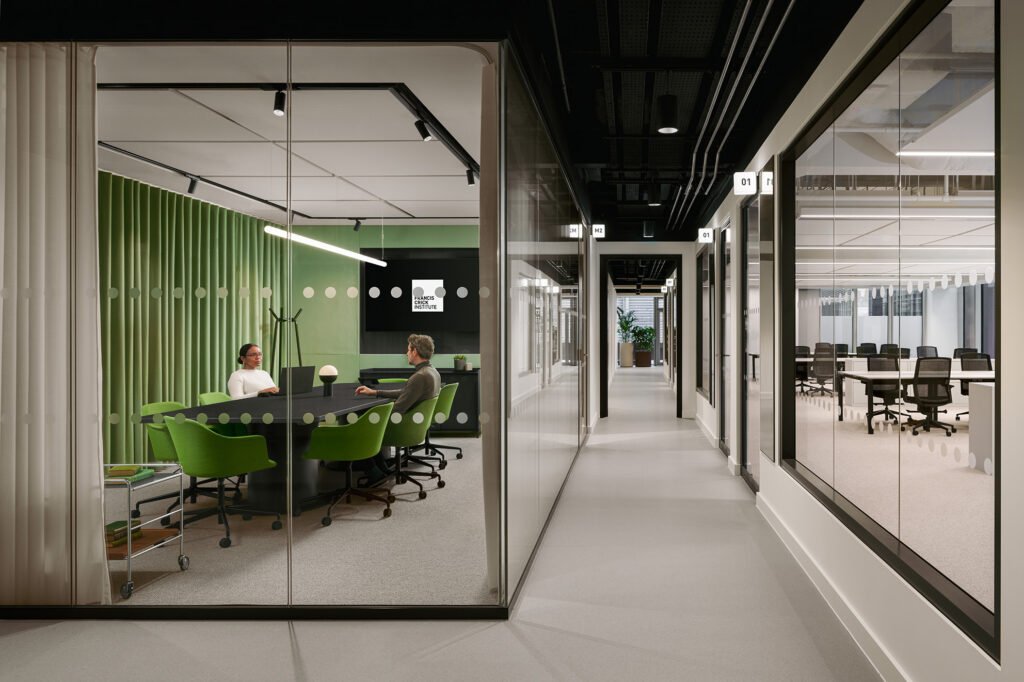
Environmental requirements now influence every stage of a fit-out. Our Environmental and Sustainability team helps turn those requirements into practical project information, from specification and tendering through to site reporting and handover.
View insight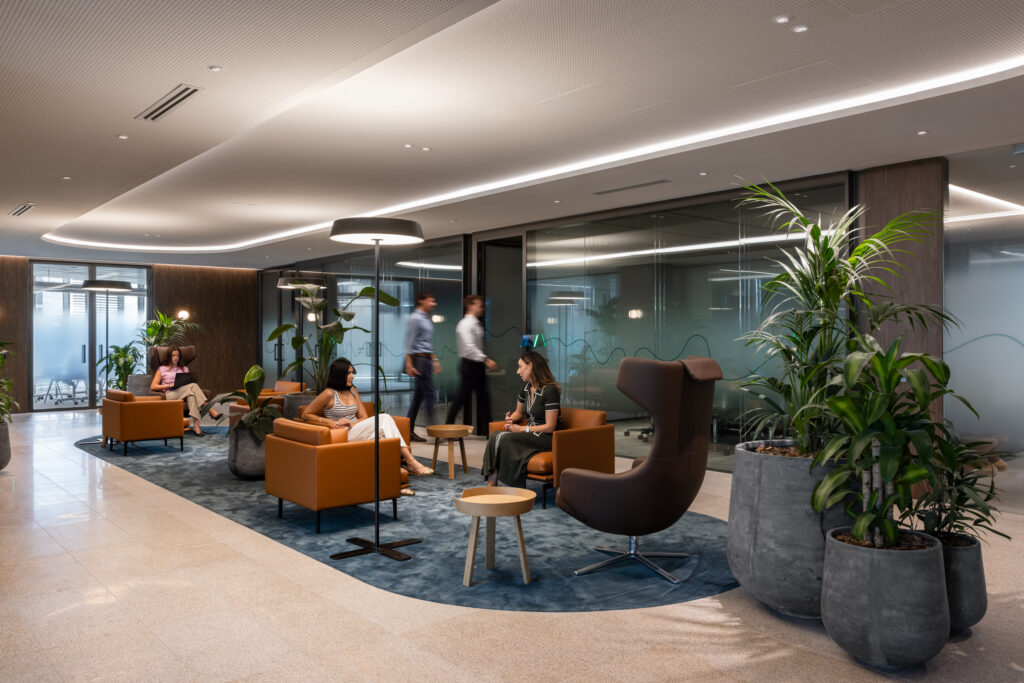 Acoustics18 February 2026
Office Acoustics and the WELL Building Standard: Reducing Noise for Better Workspaces
Acoustics can have a significant influence on how a workplace feels and functions. This insight looks at the relationship between noise, well-being and the WELL Building Standard, and how design choices can help create more comfortable working environments.
View insight Sustainability18 February 2026
What Does Environmental Quality Mean in Construction?
Environmental quality looks beyond a single sustainability claim. It considers environmental impact, indoor conditions and the quality of evidence used to demonstrate performance throughout a product or project’s lifecycle.
View insight
Sign up to the PurOptima newsletter
Stay up to date with the latest PurOptima innovations, project news and insights from across the global workplace design community