
What is ISO 14001?
ISO 14001 provides a recognized framework for managing environmental responsibilities, helping organizations identify impacts, set objectives and continually improve environmental performance through a structured and independently recognized management system.
The standard aims to contribute to the environmental pillar of sustainability, through providing organizations with a systematic approach to environmental management.
Key objectives include:
– Protecting the environment through preventing or mitigating adverse environmental impacts;
– Mitigating the potential adverse effect of environmental conditions on the organization;
– Assisting the organization to meet its compliance obligations;
– Enhancing environmental performance
The standard looks at the environmental aspects of an organization’s activities, products and services that it can control or influence. This is considered from a life cycle perspective, from raw material acquisition through design, production, transport and use to final disposal.
It follows a continual ‘Plan-Do-Check-Act’ approach, helping organizations identify their environmental impacts, find opportunities for improvement, put actions in place and review the results across their operations.
Organizations can also choose to achieve third-party certification through external audits. Certification runs on a three-year cycle, with annual surveillance audits and regular internal audits used to check that the management system continues to meet the standard and is being effectively maintained.
Why is it important?
An ISO 14001-compliant Environmental Management System provides a structured way to identify, manage, monitor and control environmental issues across an organization. This includes understanding relevant legislation and the requirements of key stakeholders.
Within the construction industry, ISO 14001 certification is often expected as evidence of effective and responsible environmental management. It can form part of supplier selection, particularly where organizations are looking for a clear commitment to continually reducing environmental impacts through business operations.
Optima includes ISO 14001 certification within its Sustainable Procurement Policy and supplier Pre-Qualification process. Suppliers without this certification may therefore have more limited opportunities to work with Optima.
2026 Update
In April 2026, ISO published a new updated version of 14001. This supersedes the previous BS EN ISO 14001:2015+A1:2024 standard, which is now withdrawn.
BS EN ISO 14001:2026 has been modified with some small structural and arrangement changes for improved flow and to align better with other complementary standards, such as Quality (9001) and Health & Safety (45001). Other more significant updates include:
1) A greater emphasis on top management needing to demonstrate leadership through promoting a culture that engages staff to engage with enhancing environmental performance.
2) Expansion of organizational context considerations to include:
– pollution levels
– availability of natural resources
– climate change
– biodiversity
– ecosystem health
3) Clarification of outsourced activities being external provided processes, products or services are used by the organization but supplied by others outside the organization.
4) New section for Planning of Changes (6.3). The organization is expected to evaluate internal or external changes that are anticipated and plans for the expected effects and environmental impacts of such changes.
5) Define internal audit objectives.
All organizations have a three-year transition period, ending in May 2029, by which time all certifications must be updated by relevant accredited auditing operators.
How is Optima managing the transition to 2026?
As an existing certified organization, Optima is undertaking a review of the standard and existing management system procedures to identify the required changes to our internal processes and to achieve recertification before 2029.
Optima has also directly engaged with key suppliers making sure that our supply chain is aware, prepared and managing the transition to the new standard, ensuring future compliance.
References:
The British Standards Institution (2026), BS EN ISO 14001:2026: Environmental management systems — Requirements with guidance for use. London: BSI. Available at: BSI Online.
Recent insights
 Sustainability
Optima contributes to industry debate and guidance on the reuse of glass partitioning
Optima is an active member of the Alliance for Sustainable Building Products (ASBP) and has contributed to the ASBP’s “The Reuse of Glass Partitioning Systems” guidance. We also took part in ASBP’s industry-wide webinar on the subject earlier this year.
View insight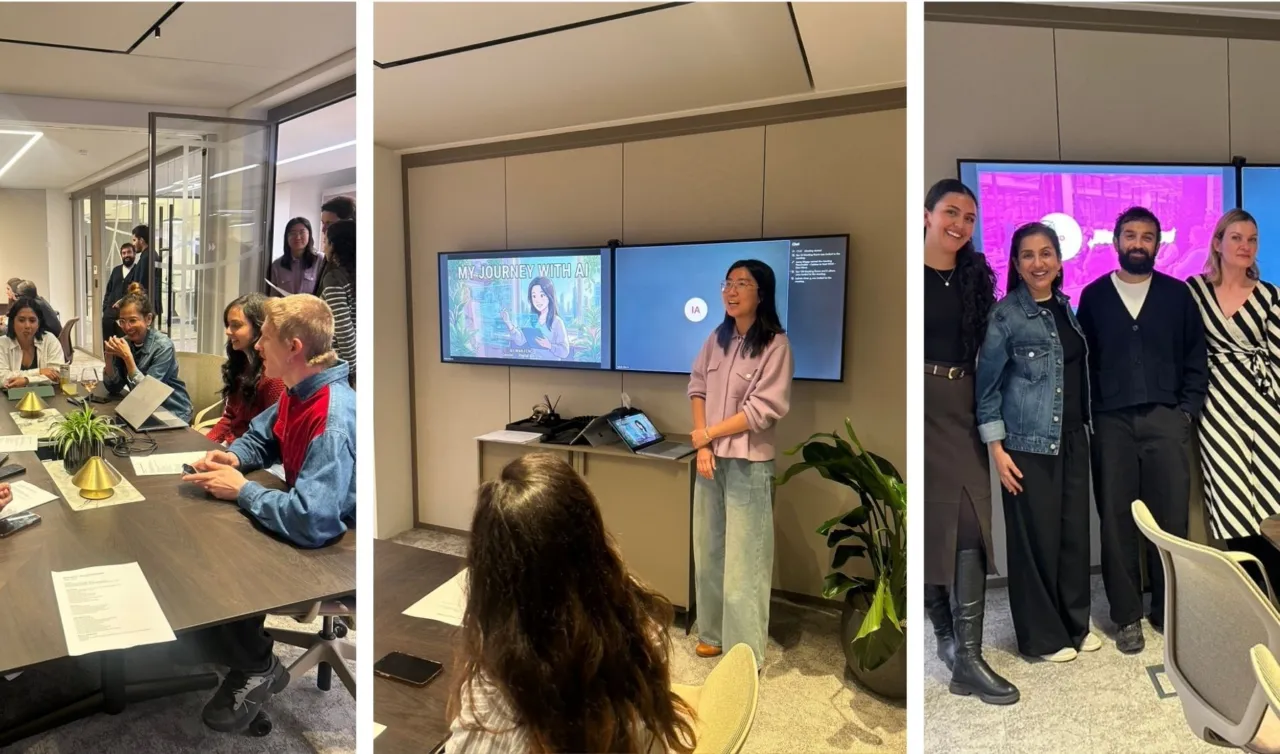 Trends
Is AI amplifying design thinking, or replacing it?
With AI impacting all aspects of work in the design community and construction industry, a question on everyone’s lips is what does this mean for me?
View insight Blog
BlogBeyond Division 8 and 10: How Workplace Design Is Reshaping Collaboration
There is a noticeable shift happening in workplace design. The conversation has moved beyond desk ratios, occupancy density, and space efficiency toward something more human-centered. Increasingly, workplaces are being asked to justify presence rather than simply accommodate it.
View insight
Need help with your next project?
Talk to our team for practical advice on systems, performance and specification.
Enquire now
Sign up to the PurOptima newsletter
Stay up to date with the latest PurOptima innovations, project news and insights from across the global workplace design community