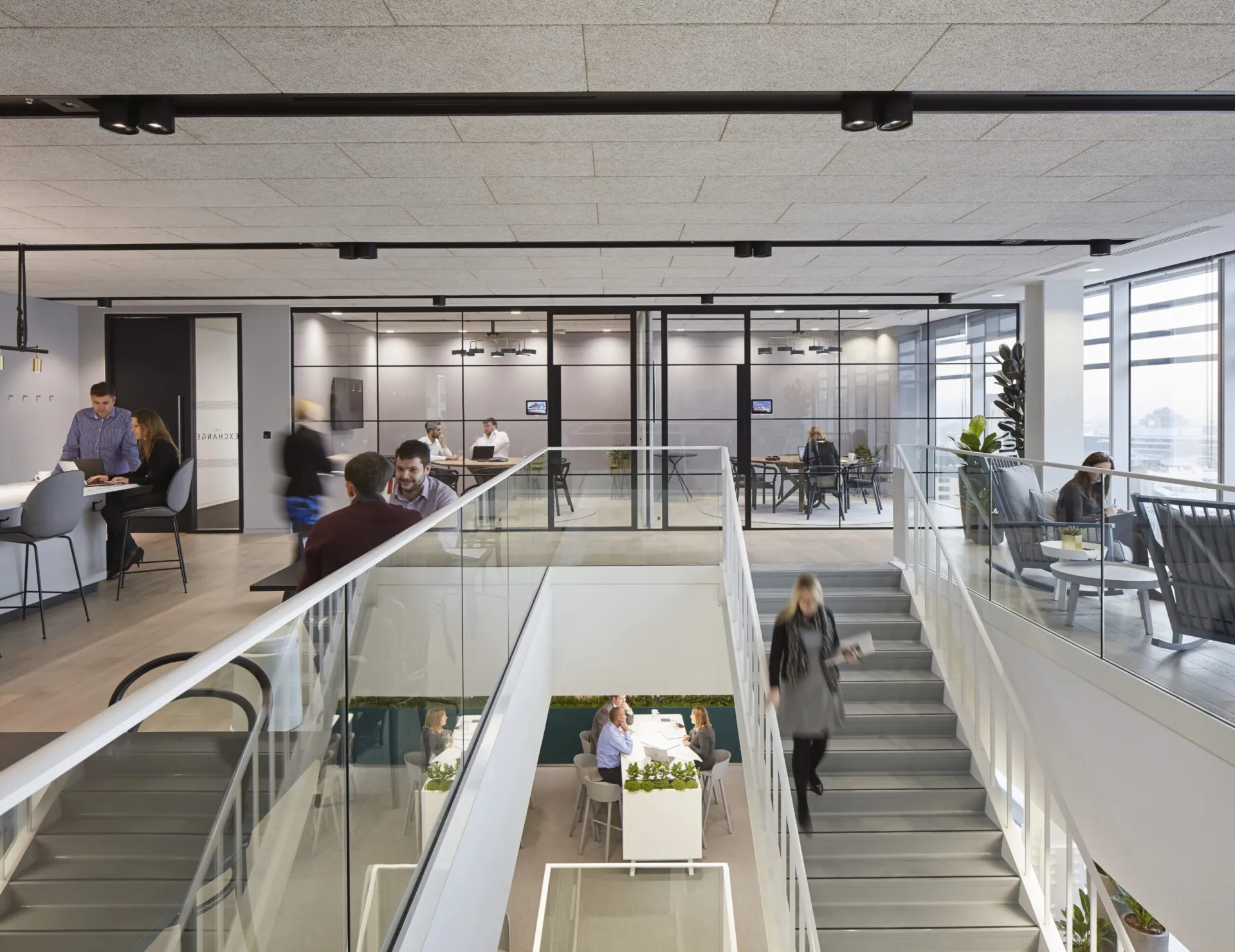
The Quiet Revolution: Part 1 | The Challenge of Noise in Modern Workspaces
Poor acoustics make it difficult to communicate and even harder to concentrate – affecting productivity, learning, and overall wellbeing. Excessive noise is a major source of workplace stress, impacting both mental and physical health.
The assault on your ears can come from traffic outside, mechanical equipment in adjacent spaces and, critically, interactions, phones and voices within the workspace. Coupled with this is an increase in density in open plan offices with bench desking. Banks of people on Zoom/Teams calls can be distracting, even colleagues catching up and chatting can interrupt your focus.
Acoustic Design Must Support Different Work Modes
In city office clusters around the world the adaptability of core layouts, right-sizing and futureproofing needs of workspaces are being scrutinised. And with the “war for talent” and employee retention recognized as an ongoing challenge by multinationals, workplace design has become centered around occupier and employee satisfaction as a crucial element in corporate strategy.
Real estate company JLL’s Global Future of Work biennial survey, most recently published in 2024, highlighted the creation of high-performance environments which can adapt to the changing needs of employers and staff, citing “Businesses will demand high-performance environments in order to support more complex work requirements, which are driven by AI, top talent attraction and managing high levels of flexibility in hybrid working models.”
The creation of offices that facilitate seamless remote and on-site collaboration while promoting focused work have come under increasing scrutiny from employers. While mandates for a “return to the office” are being implemented for example in the UK, discussions that center around the idea that offices and workplaces “must earn the commute” have arisen more broadly too.
Employees often cite the lack of sound privacy as well as access to focused workspaces and private workspaces as key reasons for lower satisfaction rates. With the on-going requirements for predominantly open plan spaces to support flexibility and collaboration, need grows for the provision of:
● Quieter zones for focused work to take place, with noise from adjacent spaces kept to a minimum;
● Meeting rooms with controlled acoustics for confidential or contained conversations, conference calls etc.
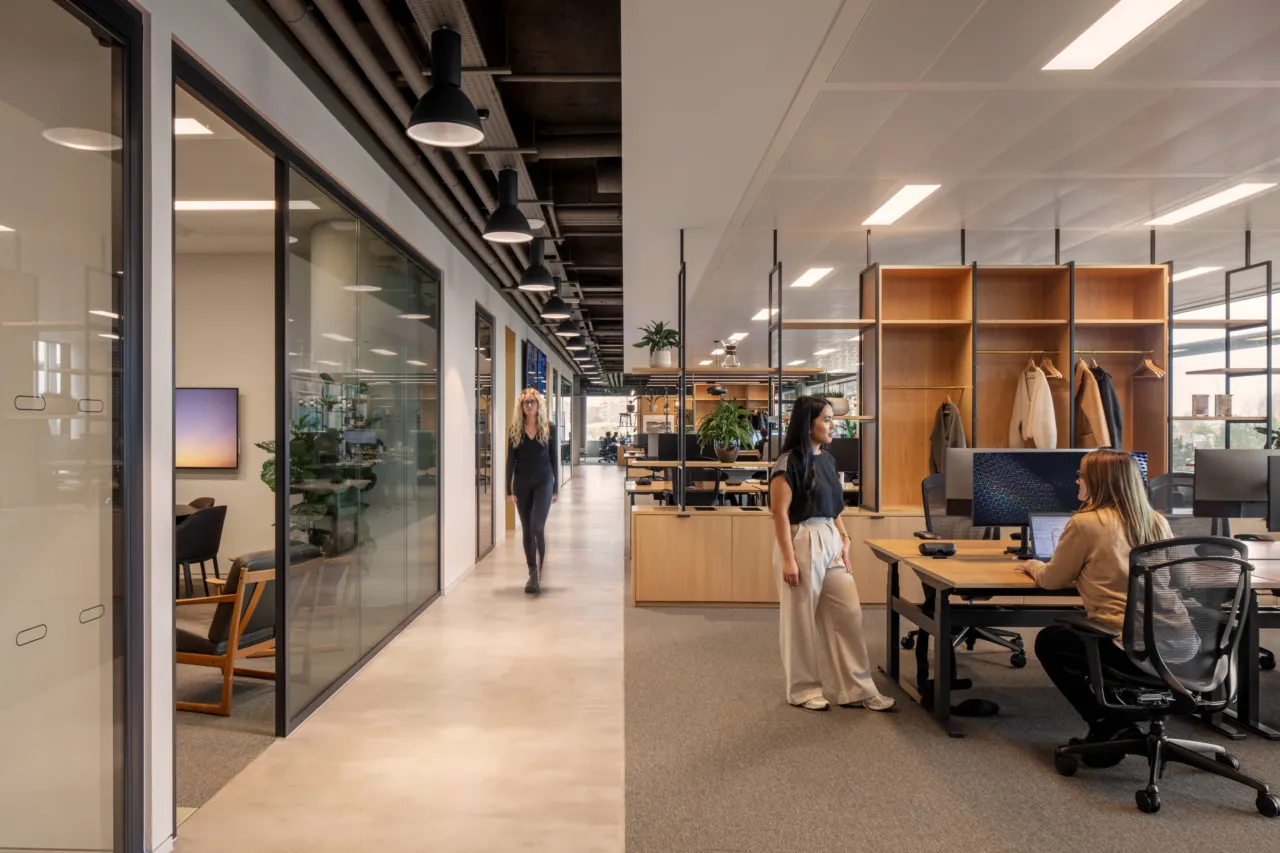
Designing for Neuroinclusivity
Along with consideration for multi-modal ways of working, designers are also being asked to consider neuroinclusive environments – spaces that support the sensory needs of all users. The office soundscape now demands attention: audio clutter is on a par with visual clutter if we are to support productive working for all.
In its work on this theme, global architecture practice HOK highlights the fact employers are beginning to recognize that, in addition to simply being the right thing to do, accommodating neurodiverse people (approximately 15-20% of people) can provide a significant competitive advantage. Its publication Designing a Neurodiverse Workplace examines workplace design, showing how environments tuned to diverse cognitive and sensory needs can boost productivity, satisfaction and innovation for everyone.
Critically, one area the publication highlights is acoustic quality. It reveals “Where neurotypical employees may find ambient noise – or the lack of it – counterproductive, employees who are especially sensitive or prone to distraction, such as those with autism or ADHD, can find it downright disabling.”
Consideration of acoustics starts at design stage
While the functionality and aesthetics of the workspace are key to the designer, today a more holistic view of the occupant experience embraces acoustic comfort. The acoustical environment of a workspace has until now primarily focused on sound absorption to support speech legibility or privacy. How denser/busier areas in today’s workspaces with a lack of effective sound control, providing distractions for all, is now a major concern.
Clients want and need exceptional performance solutions when it comes to acoustic sound insulation in modern workspaces. Understanding acoustic performance ratings are important because this data helps designers to achieve the required types of sound reduction in different spaces.
For the US version, I’d remove the British Standard reference entirely and make STC the focus:
In the US, acoustic requirements are typically established through the project specification or by an acoustic consultant, with Sound Transmission Class (STC) commonly used to describe the laboratory-tested sound insulation of walls and other building assemblies.
STC indicates how effectively a tested assembly reduces airborne sound transmission. A higher STC rating generally indicates greater resistance to sound passing through the wall, although the rating applies to the complete tested configuration rather than the glass alone.
As a broad guide:
- STC 25 – Normal speech can generally be heard and understood
- STC 30 – Loud speech can generally be heard clearly
- STC 35 – Loud speech may still be distinguishable
- STC 40 – Loud speech may be audible but becomes difficult to understand
- STC 45 – Loud speech is significantly reduced
- STC 50 – Loud speech is generally difficult to hear through the wall

Trusting the Data: Tested and Verified Performance
PurOptima supports its acoustic performance claims with independent laboratory test evidence. Testing has been carried out over many years at accredited laboratories, with results used to provide specifiers with objective data for comparing systems and selecting configurations against project-specific acoustic requirements.
For US specifications, PurOptima reports Sound Transmission Class (STC) values. These are derived from laboratory test data and classified in accordance with ASTM E413, with supporting test evidence available for individual system configurations.
Christian Mabey, President, says:
“We like to work in a consultative manner and therefore information we give out will be based on our testing. Architects and designers can get this information from us, with the documentation that relates to our testing showing objective values that have been measured. This is critical to give clients what they have asked for, for example, a privacy rating to allow for confidential discussions to take place within a broader open environment.”
PurOptima glass wall and door systems are available in a range of tested acoustic configurations. For example, the Revolution 100 system has achieved STC 51 with two panes of ½" acoustic laminated glass in a laboratory-tested configuration. Higher-performing configurations may also be available where performance is supported by assessment rather than direct laboratory testing, so the basis of each stated value should always be checked against the supporting evidence.
Acoustic Design and Sustainability Go Hand-in-Hand
Measurable and effective acoustic design can also be critical in meeting project sustainability goals, achieving points for Indoor Environmental Quality in the BREEAM and LEED rating systems for example. WELL certification evaluates various elements of the sound environment, including sound level measurements, speech privacy, noise reduction and soundscapes.
High performing acoustical solutions bring demonstrable value to clients and the possibility of achieving excellent building standards cannot be overlooked.
With consideration early in the project design and development phase, we can provide for workspaces and classrooms that promote occupants’ well-being, productivity, and communications through effective acoustic design.
Find out more on a shift toward human-led design, influenced by the stabilisation of hybrid working patterns in JLL’s report here.
Recent insights
 Sustainability
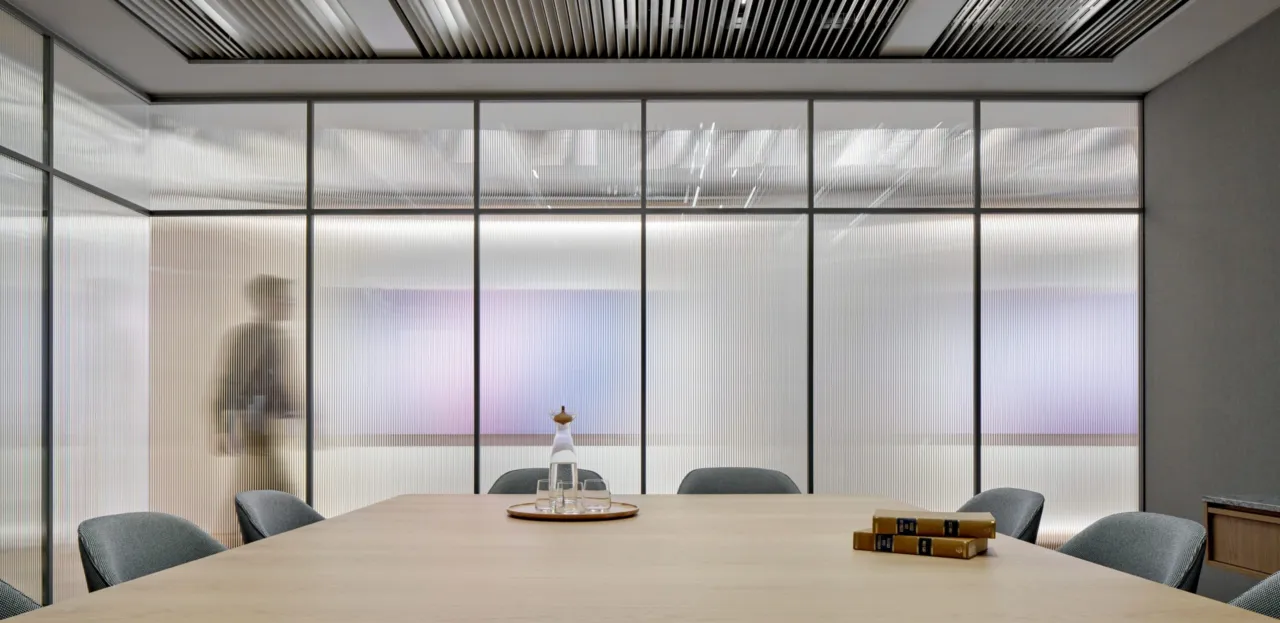
Optima contributes to industry debate and guidance on the reuse of glass partitioning
Optima is an active member of the Alliance for Sustainable Building Products (ASBP) and has contributed to the ASBP’s “The Reuse of Glass Partitioning Systems” guidance. We also took part in ASBP’s industry-wide webinar on the subject earlier this year.
View insight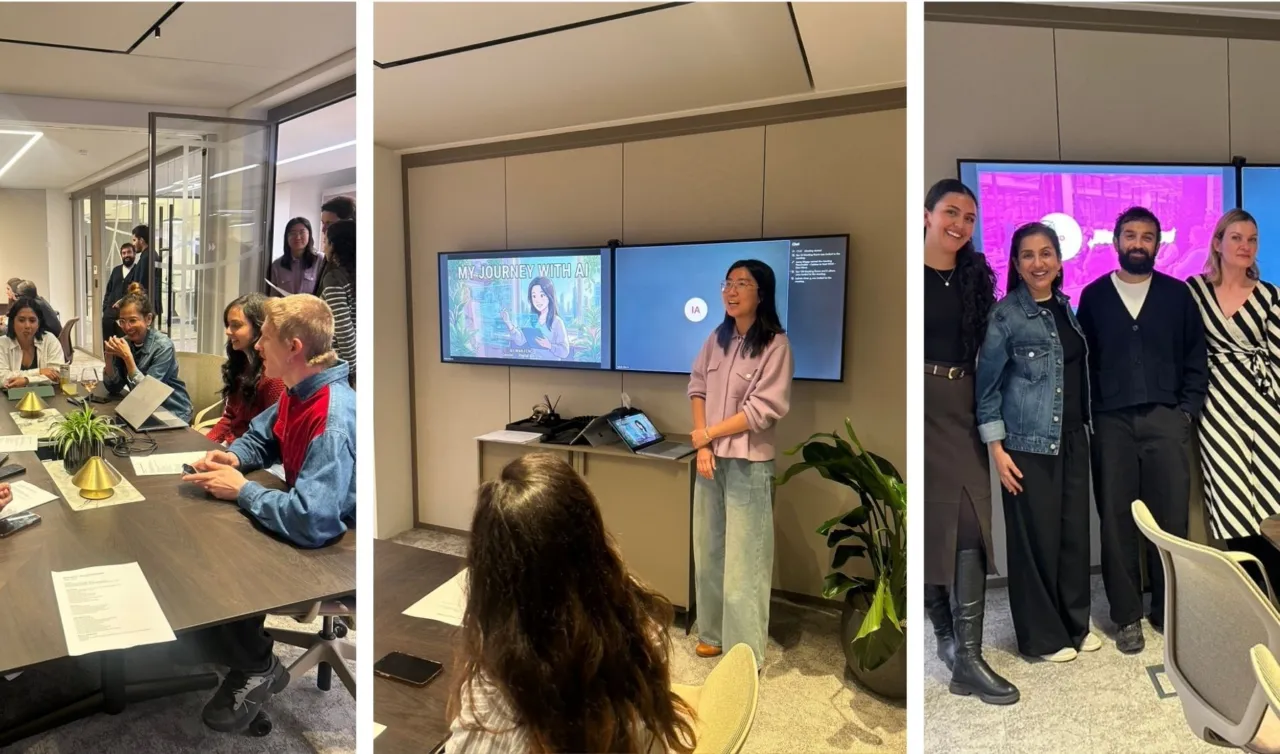 Trends
Is AI amplifying design thinking, or replacing it?
With AI impacting all aspects of work in the design community and construction industry, a question on everyone’s lips is what does this mean for me?
View insight Blog
BlogBeyond Division 8 and 10: How Workplace Design Is Reshaping Collaboration
There is a noticeable shift happening in workplace design. The conversation has moved beyond desk ratios, occupancy density, and space efficiency toward something more human-centered. Increasingly, workplaces are being asked to justify presence rather than simply accommodate it.
View insight
Need help with your next project?
Talk to our team for practical advice on systems, performance and specification.
Enquire now
Sign up to the PurOptima newsletter
Stay up to date with the latest PurOptima innovations, project news and insights from across the global workplace design community