The Distraction Tax: Why Acoustics Are the Next Frontier of Employee Performance
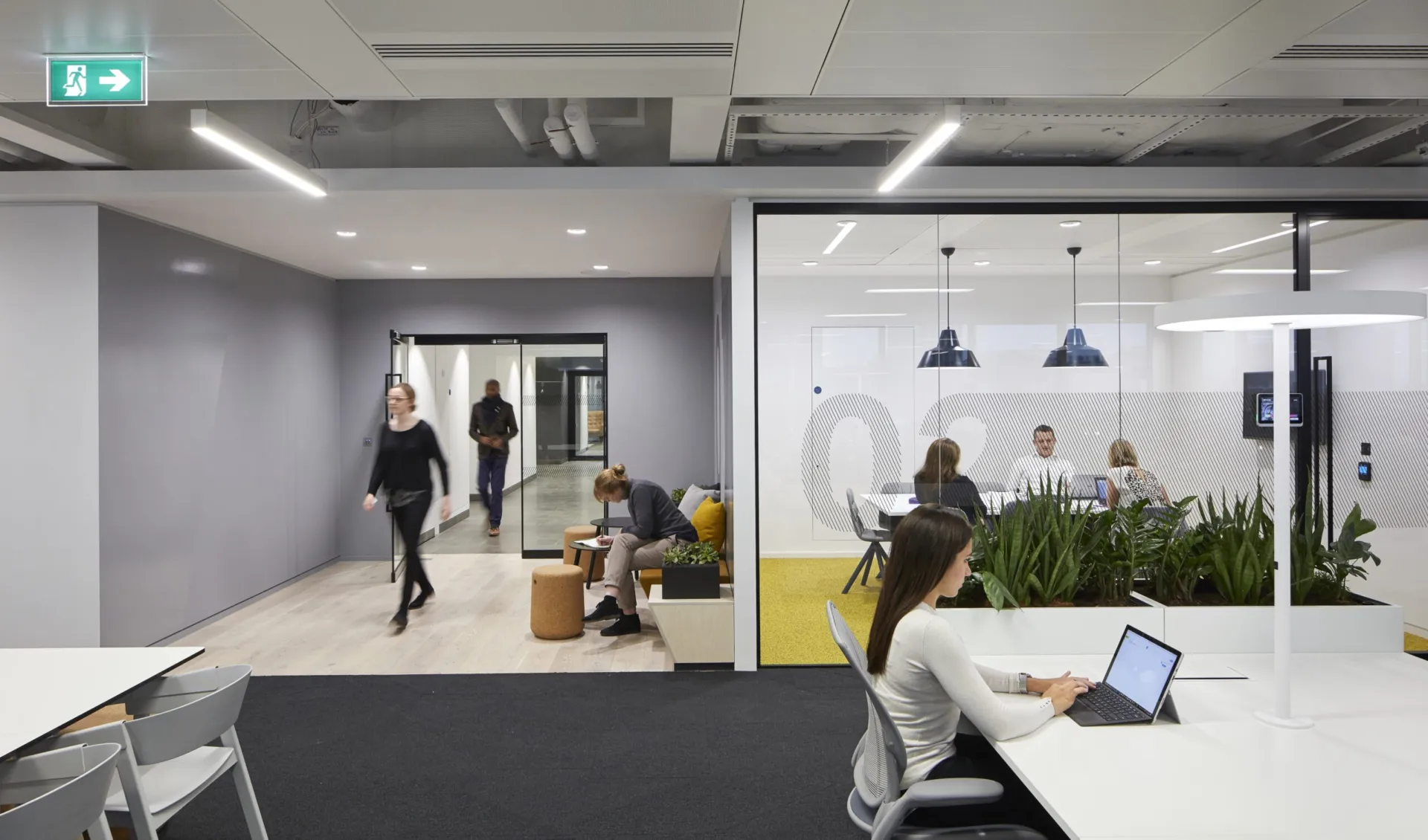
Workplace noise can have a measurable impact on concentration and productivity. In open-plan environments, repeated interruptions can make focused work harder, increasing the importance of acoustic design in supporting how people work.
At the highest levels of office design, acoustics are no longer an afterthought. They are a strategic priority. Here is how leading organizations are re-engineering their soundscapes to foster concentration and high-stakes privacy.
The Anatomy of an Acoustic Strategy
Improving the acoustic quality of a workspace requires a multi-layered approach. You cannot simply “fix” sound with a single product; you have to manage how it moves, reflects, and leaks.
Eliminate the “Bounce”
Hard surfaces, glass, polished concrete, and exposed ceilings are the primary culprits of reverberation. To kill the echo, you must introduce soft, absorbent materials. High-density acoustic wall panels and ceiling “clouds” don’t just dampen sound; they serve as architectural statements. Similarly, upgrading to acoustic-grade flooring or heavy-duty underlayments can neutralise the disruptive “click-clack” of foot traffic that ripples across an open floor.
Seal the Invisible Leaks
Sound behaves like air; if there is a gap, it will find it. We often see massive investments in heavy doors undermined by a half-inch gap at the base. High-performance offices prioritise sealing wall junctions and windows with acoustic-grade sealants. Upgrading from hollow-core to solid-core doors is a non-negotiable move for any room intended for confidential strategy or HR discussions.
Strategic Zoning
Marketing-leading firms understand that noisy equipment shouldn’t share a zip code with deep-work zones. Relocating high-traffic hubs—printers, coffee machines, and water coolers—into acoustic enclosures or isolated alcoves is a low-cost, high-impact move that immediately lowers the decibel floor of the main workspace.
The Role of High-Performance Glazing
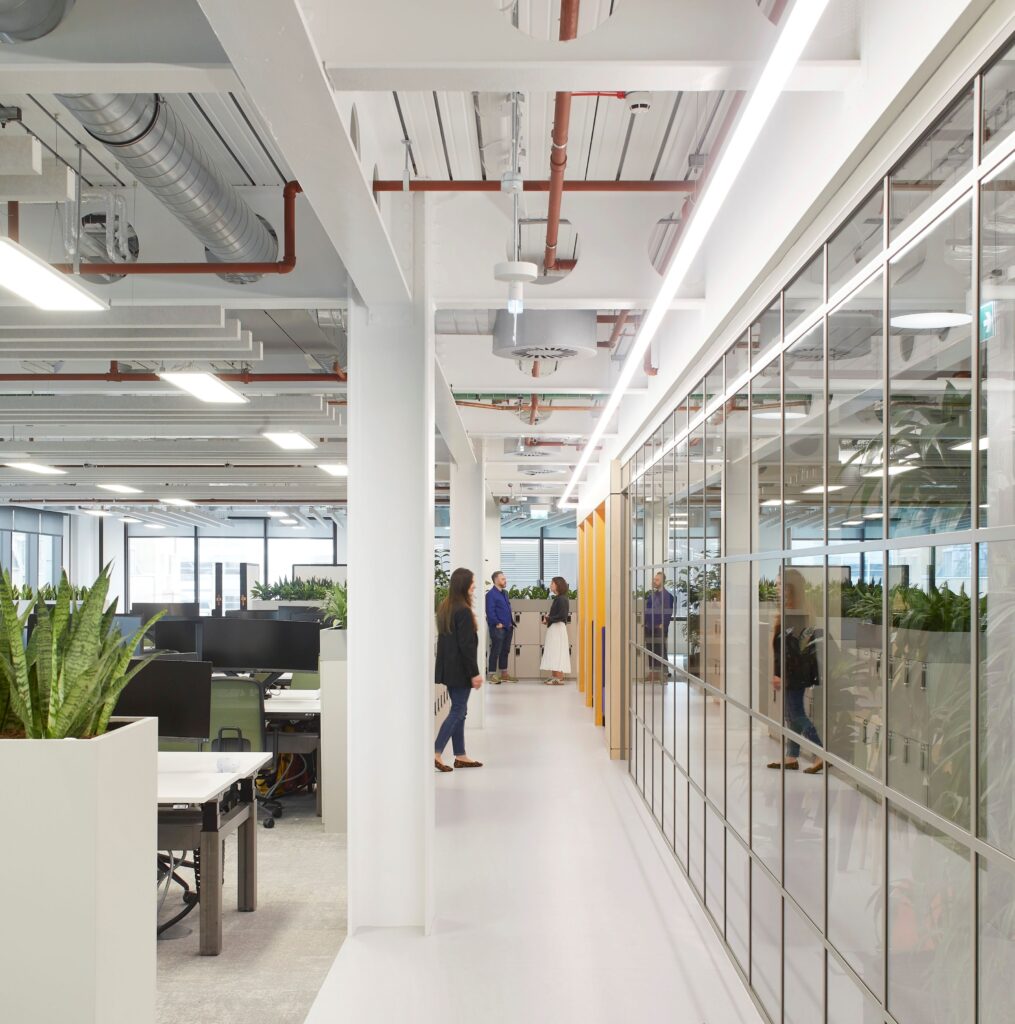
The challenge has always been how to provide quiet without creating a “closed-door” culture that feels isolating. This is where precision-engineered glass partitioning becomes the centerpiece of a modern office.
For those looking to balance transparency with silence, we recommend two specific paths:
- For Versatility: The Revolution 54 Plus Double Glazing system. It’s designed for seamless integration into existing architecture, providing a high level of sound attenuation without sacrificing the sleek, slim-line aesthetic of a modern office. It allows light to flow while keeping the “chatter” contained.
- For Maximum Isolation: The Revolution 100 Double Glazing system. This is the gold standard for executive boardrooms and private offices where confidentiality is paramount. Its acoustic ratings are among the highest in the industry, offering a literal “cone of silence” that proves you don’t have to compromise on style to achieve professional-grade privacy.
The Bottom Line
A quiet office is a high-performing office. By addressing the structural sound leaks and investing in high-calibre partitioning like PurOptima’s Revolution series, you aren’t just buying walls, you are buying back your team’s focus.
If your current layout is working against your team’s ability to execute, it’s time to stop treating acoustics as a luxury and start treating it as a performance requirement. Let’s look at your floor plan and identify where silence could be your greatest competitive advantage.
Recent insights
 Sustainability
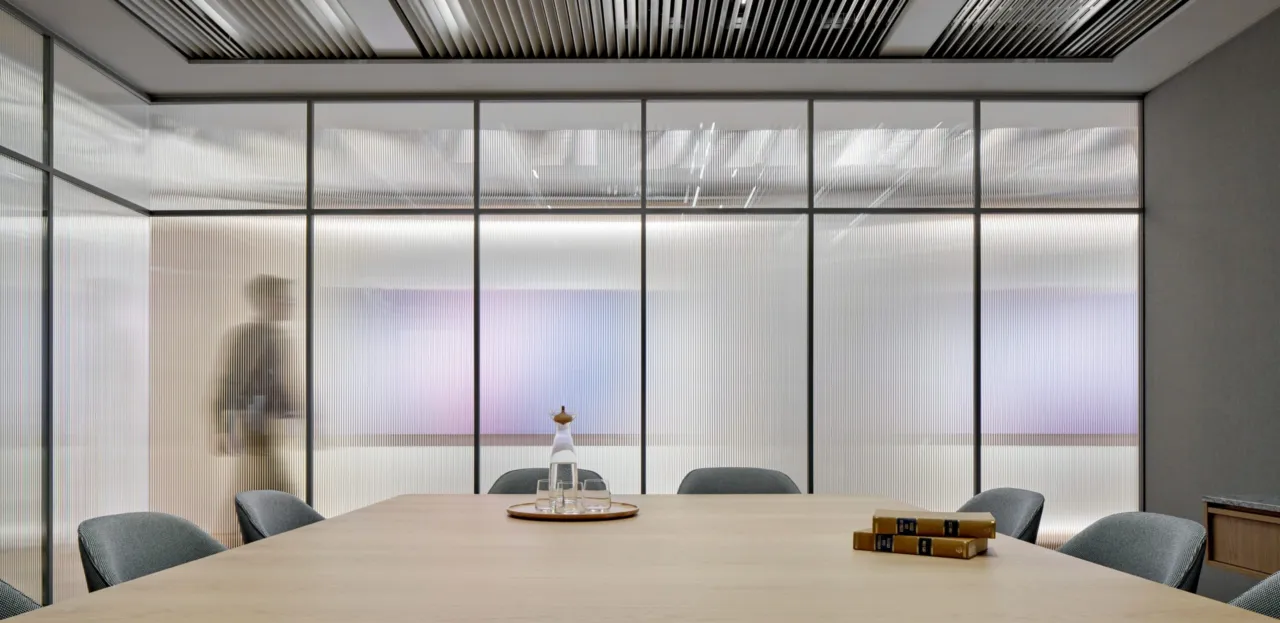
Optima contributes to industry debate and guidance on the reuse of glass partitioning
Optima is an active member of the Alliance for Sustainable Building Products (ASBP) and has contributed to the ASBP’s “The Reuse of Glass Partitioning Systems” guidance. We also took part in ASBP’s industry-wide webinar on the subject earlier this year.
View insight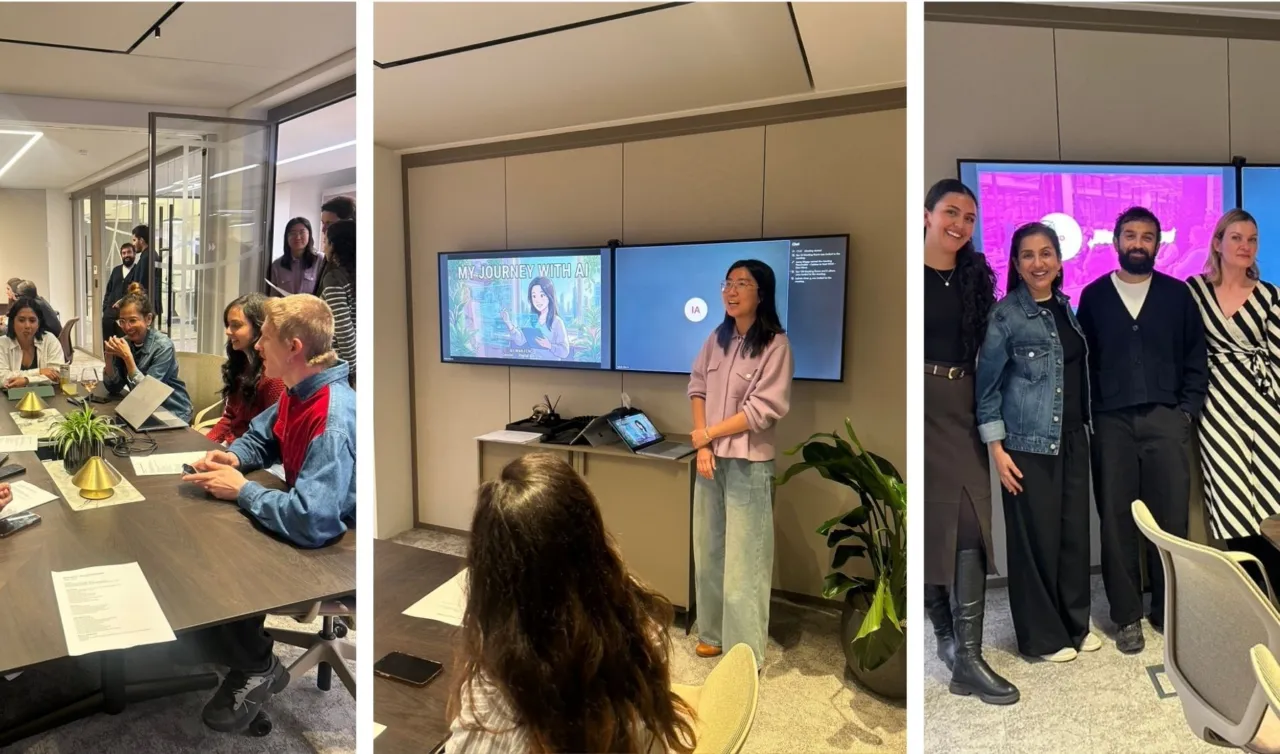 Trends
Is AI amplifying design thinking, or replacing it?
With AI impacting all aspects of work in the design community and construction industry, a question on everyone’s lips is what does this mean for me?
View insight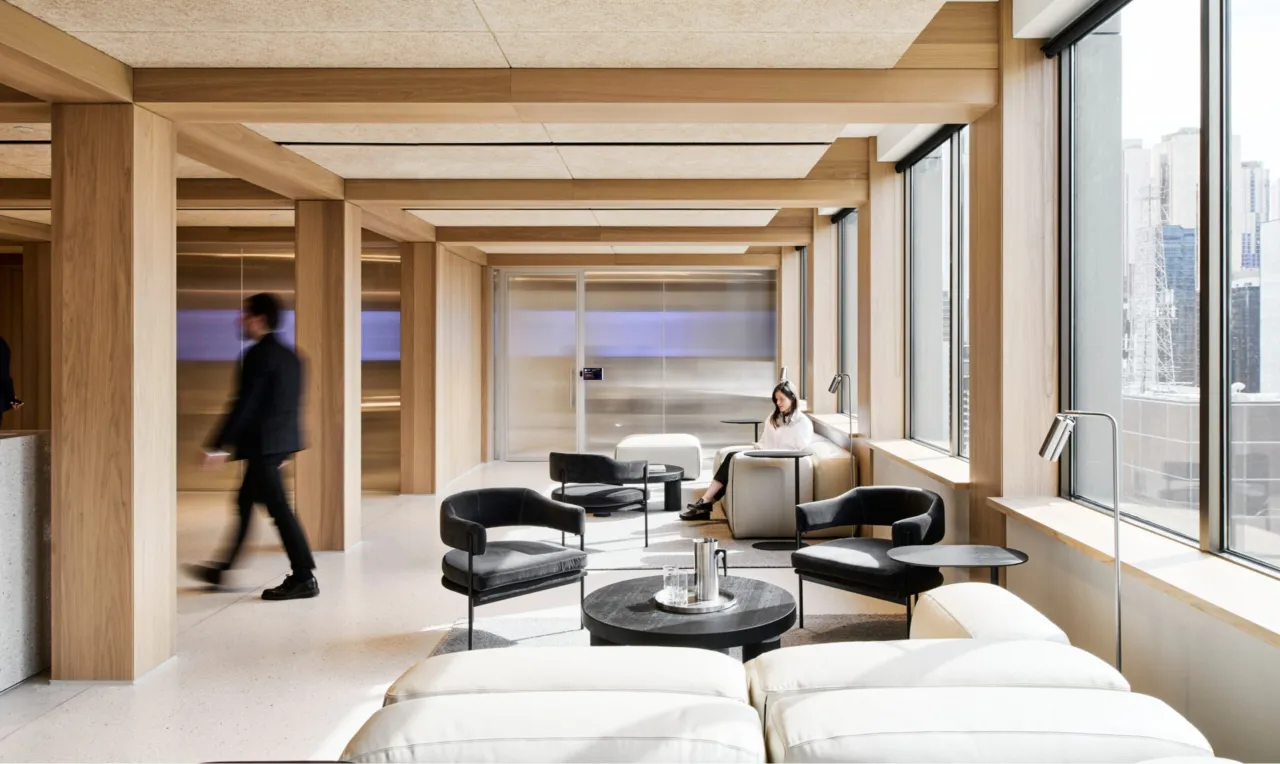 Blog
BlogBeyond Division 8 and 10: How Workplace Design Is Reshaping Collaboration
There is a noticeable shift happening in workplace design. The conversation has moved beyond desk ratios, occupancy density, and space efficiency toward something more human-centered. Increasingly, workplaces are being asked to justify presence rather than simply accommodate it.
View insight
Need help with your next project?
Talk to our team for practical advice on systems, performance and specification.
Enquire now
Sign up to the PurOptima newsletter
Stay up to date with the latest PurOptima innovations, project news and insights from across the global workplace design community